Preparing Future Managers for an AI-Enabled Workplace: The CareerTrek Company Conducts AI for Managers Workshop at Vedica Scholars
1st-10th August 2026
As artificial intelligence becomes part of everyday business decision-making, the question for future managers is no longer simply whether they can use AI. It is whether they can use it thoughtfully, responsibly, and in ways that create meaningful business impact.
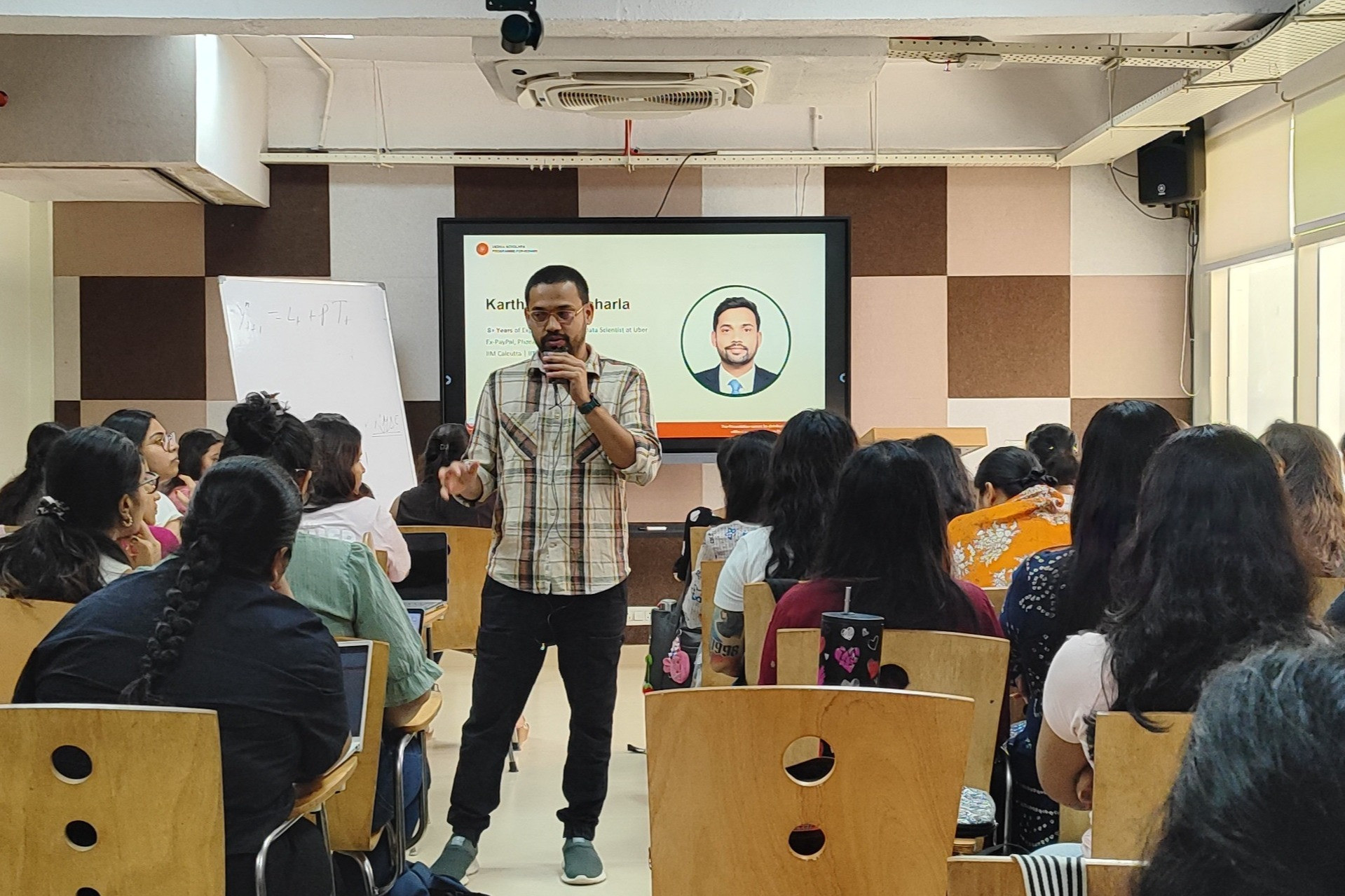
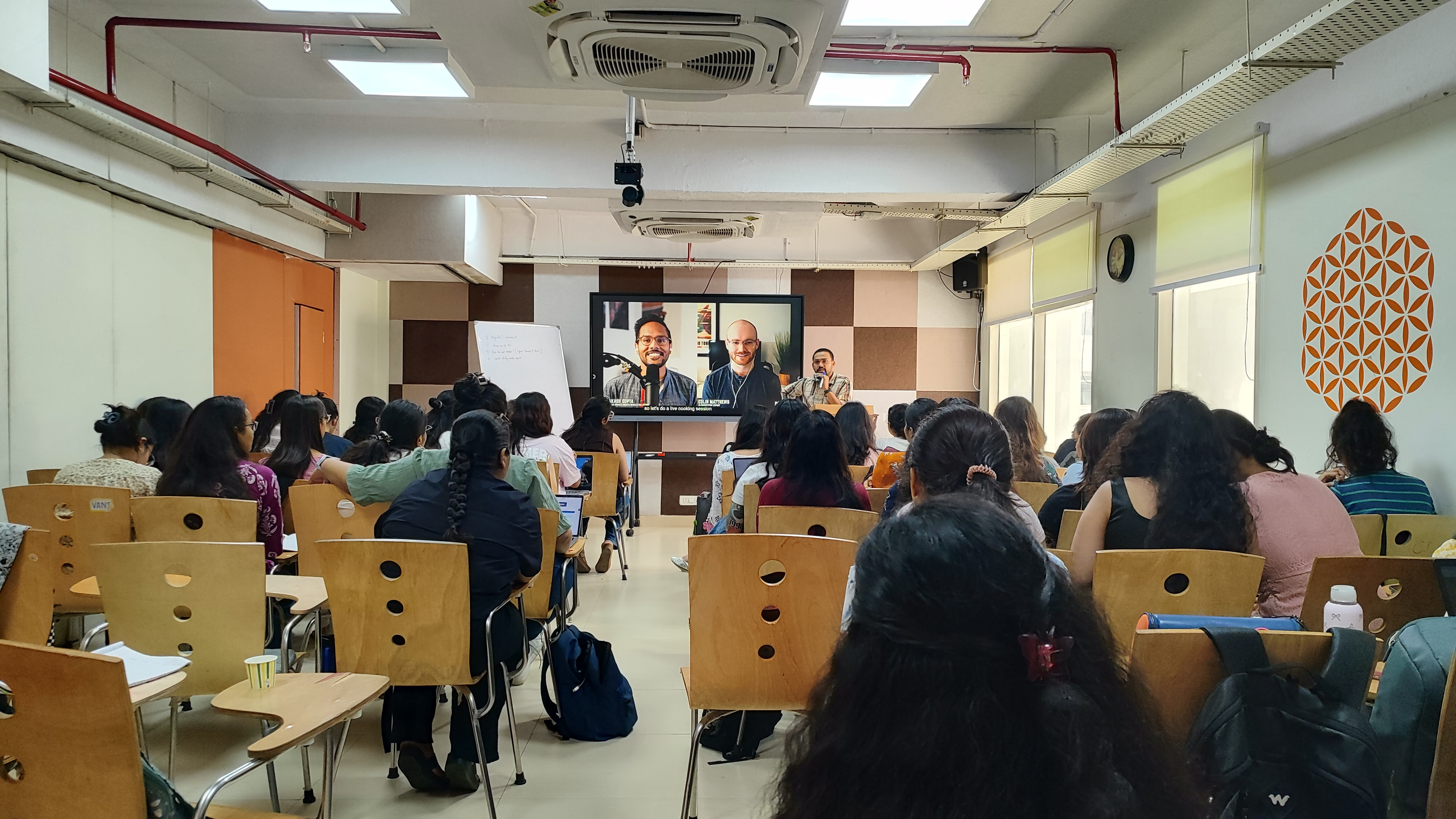
Building on its long-standing partnership with the Vedica Scholars Programme for Women, The CareerTrek Company successfully concluded the first edition of its AI for Managers programme for the Class of 2026.
Designed specifically for emerging managers, the programme moved beyond standalone AI tools and focused on a more practical question: How can a manager use AI to solve real business problems?
Building Career Skills Beyond the Classroom
Bringing AI into Everyday Management
The programme introduced scholars to the application of AI across the functions they are likely to encounter as managers including Business Research, Marketing, Human Resources, Finance, Data Analysis, Strategy, Operations, Professional Communication, Presentations, Prototyping, and Workflow Automation.
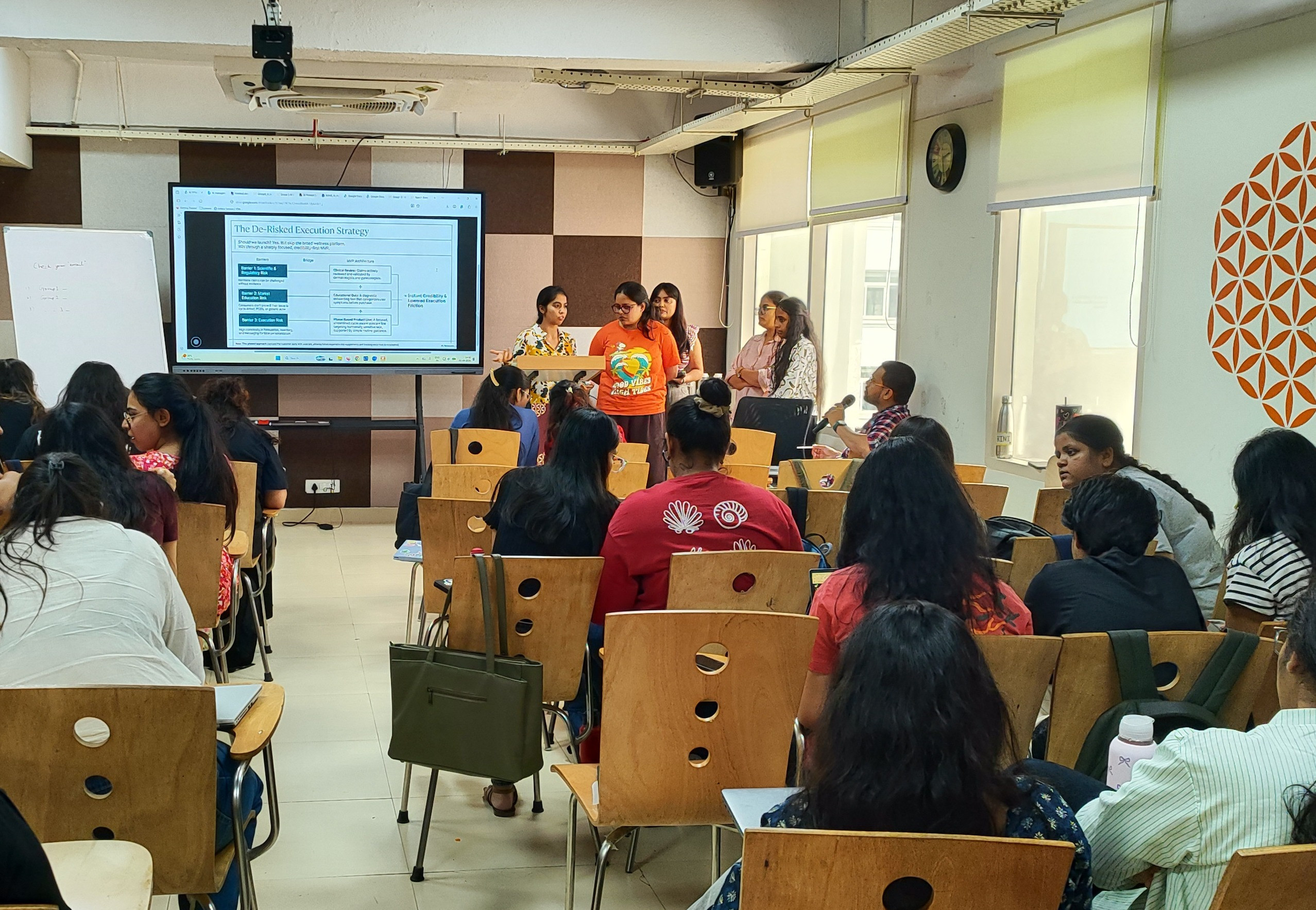
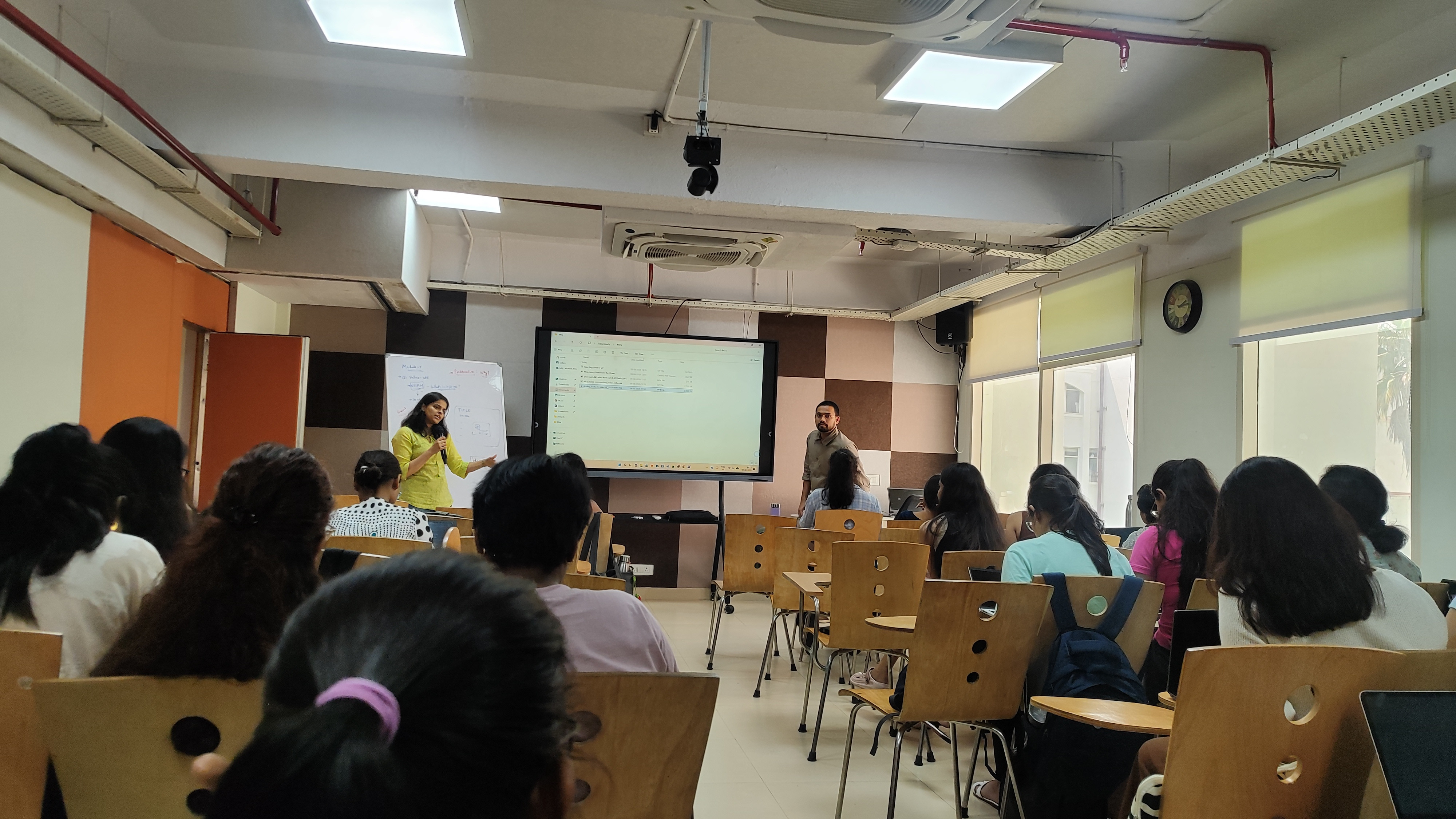
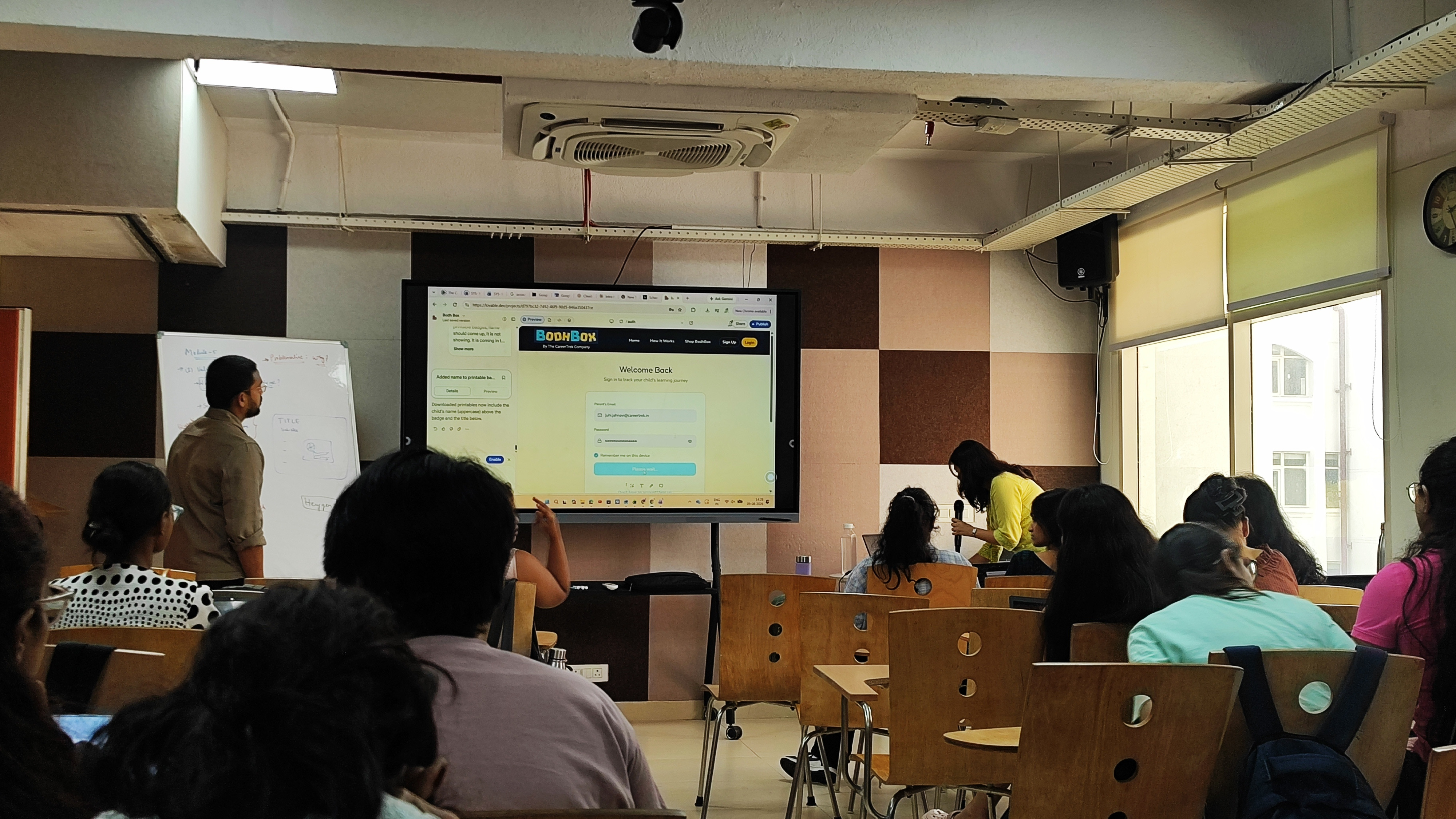
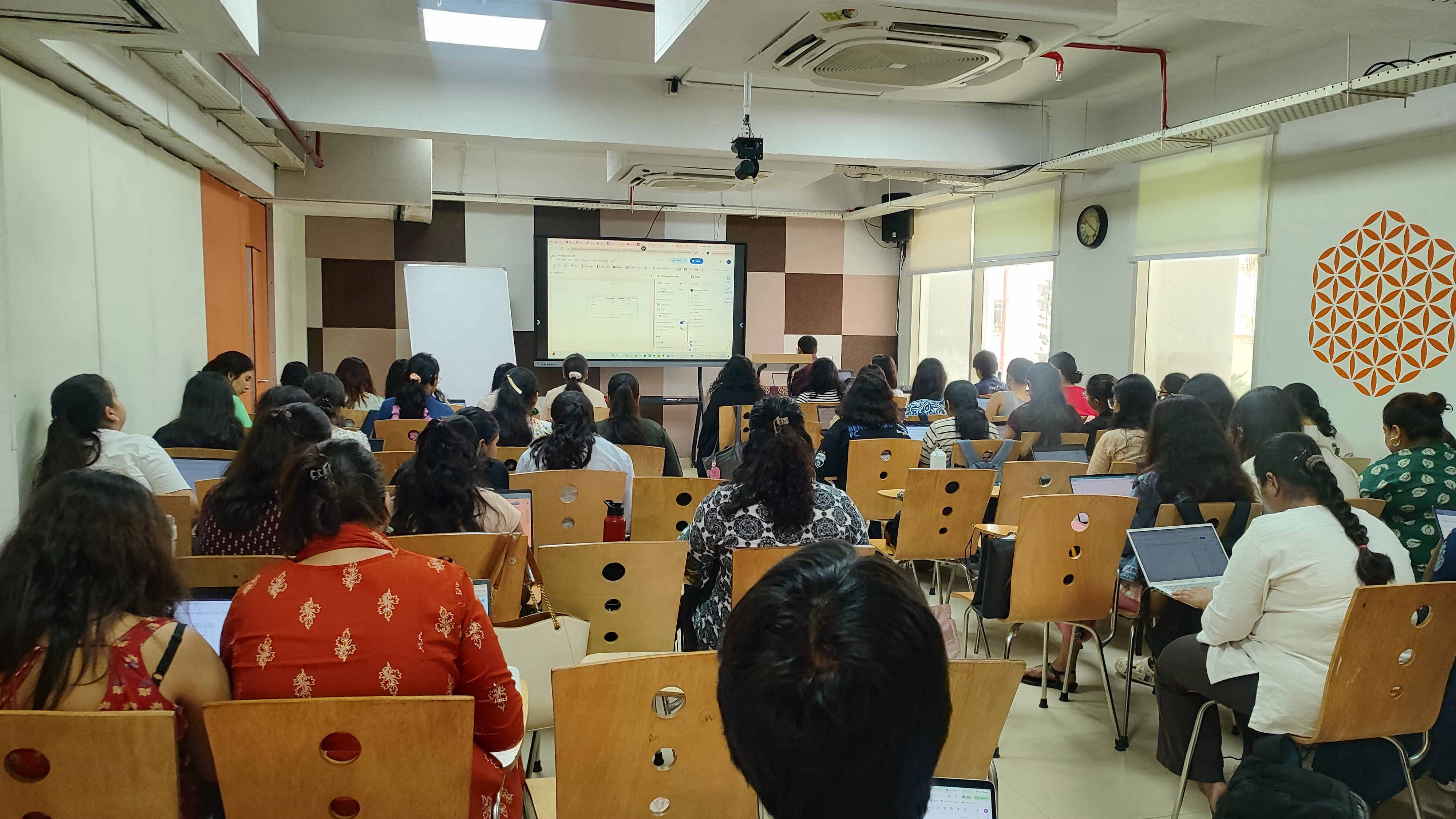
The learning experience was deliberately practical. Through business scenarios, guided exercises, case discussions, and group assignments, scholars explored how AI could help them research markets, analyse information, develop campaigns, support people and financial decisions, create presentations, build prototypes, and improve everyday workflows.
This meant AI was not treated as a separate technical subject. Instead, it became part of the managerial toolkit.
From Better Prompts to Better Thinking
A central foundation of the programme was the PTCF Prompt Framework — Persona, Task, Context, and Format.
Rather than approaching prompting through trial and error, scholars learned how to provide AI systems with the right role, objective, background, and expected output.
This was complemented by a simple but important working process: Generate → Evaluate → Diagnose → Refine
The emphasis was not on accepting the first AI-generated response. Scholars were encouraged to question outputs, identify gaps, improve their instructions, verify information, and use their own judgement before arriving at a final decision.
Building a Practical AI Toolkit
Across the programme, scholars gained hands-on exposure to a wide range of contemporary AI platforms.
ChatGPT, Claude, and Gemini supported reasoning, drafting, and business problem-solving, while Perplexity and Perplexity Comet were explored for research, summarisation, and comparative analysis. NotebookLM demonstrated how large amounts of information could be transformed into structured outputs such as presentations, mind maps, podcasts, and videos.
For visual communication and creation, scholars worked with Gamma and Canva, while Lovable and bolt.new introduced them to rapid prototyping and application building. Julius AI and Google Finance supported financial and data analysis, and HeyGen, InVideo, and Pika expanded the possibilities of AI-assisted media creation.
The broader toolkit also included Claude Code, Claude Artifacts, Napkin, Looker Studio, ChatGPT Atlas, and Relevance AI, exposing scholars to applications spanning coding, visualisation, dashboards, browsing, and automation.
But learning the names and features of these tools was never the end goal.
Learning by Building
Throughout the programme, scholars applied their learning through practical exercises and group assignments connected to real managerial work.
They created business research briefs, sales and marketing communication, product launch ideas, HR toolkits, financial analyses, presentations, prototypes, and strategic recommendations.
This application-led format encouraged scholars to think beyond “Which AI tool should I use?” and instead begin with “What business problem am I trying to solve?”
That distinction became central to the programme.
Keeping Human Judgement at the Centre
Alongside experimentation with AI, the programme placed equal importance on responsible usage.
Scholars were encouraged to verify AI-generated information, protect confidential and sensitive data, challenge inaccurate or incomplete outputs, and retain human judgement in decision-making.
The objective was not to create managers who delegate their thinking to AI, but managers who understand where AI can accelerate work, where it can improve decisions, and where human oversight remains essential.
From Business Problem to Business Impact
By the conclusion of the programme, the learning journey came together through one managerial approach:
Business Problem → Process → Tool Choice → Insight → Business Impact
It captures the larger philosophy behind the programme: AI creates the greatest value when technology follows the business problem not the other way around.
The successful first edition of AI for Managers marks another step in the continuing collaboration between The CareerTrek Company and the Vedica Scholars Programme for Women, with a shared focus on preparing young professionals for the realities of a rapidly changing workplace.
For The CareerTrek Company, the goal is clear: future managers should not simply know how to use AI tools. They should be able to choose them intelligently, question their outputs, apply them responsibly, and turn their capabilities into meaningful business outcomes.
Want to partner with us?
Connect with our team today!
FOLLOW US


The CareerTrek Company TM (A brand of MBAtrek Private Limited) 414, 4th Floor Suncity Business Tower, Golf Course Road, Sector 54 Gurugram - 122003, Haryana GSTIN: 06AAKCM1714E2ZS CIN: U74999HR2016PTC057728